How to Prepare Your Pipes for Freezing Temperatures
Five simple steps will keep water moving and pipes intact when a hard freeze settles over Northwest Arkansas.
September 30, 2026 · 3 min read
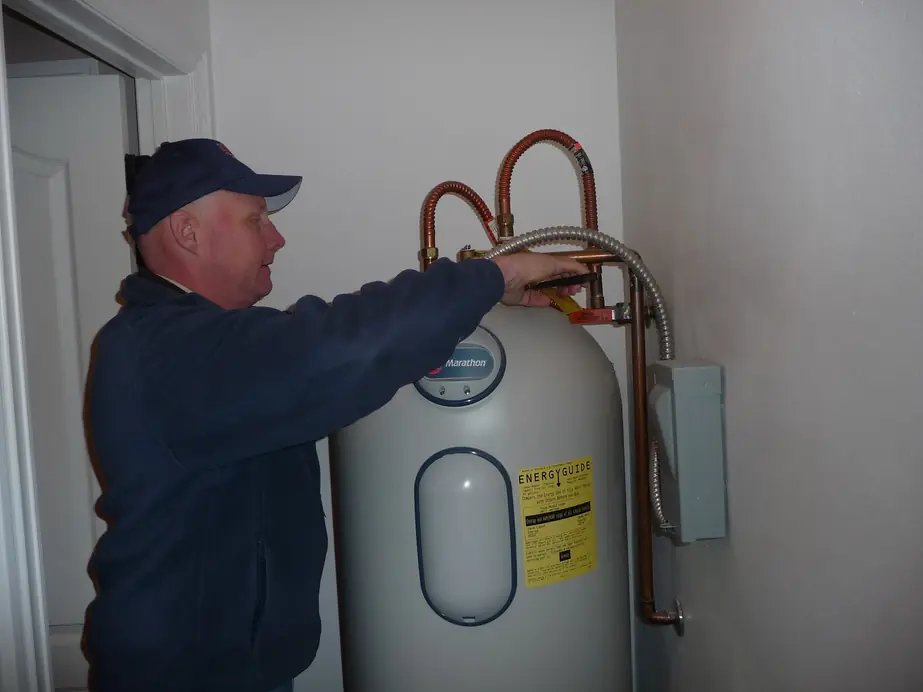
Winter in the Ozarks can swing from sixty degrees in the afternoon to a hard freeze by midnight. When the temperature drops and stays down, pipes that are exposed, poorly insulated, or sitting along an outside wall can freeze, and frozen pipes can split. A split pipe often shows itself only after the ice thaws and water starts pouring. The steps below are simple, cheap, and worth doing before the first cold snap, not during it.
Why freezing pipes cause damage
Water expands as it turns to ice. When a pipe is full of water and ice forms in one spot, pressure builds between the ice and the closed faucet, and the pipe can crack somewhere along that stretch. Garages, crawl spaces, attics, exterior walls, and the pipes that feed outdoor faucets are the usual trouble spots, because they get the least warmth from the house. Metal and plastic lines both can fail, and the damage tends to go unnoticed until the water comes back.
Five steps before the freeze
- Leave your faucets dripping at night. If temperatures are expected to fall below freezing, leave a few faucets at a small drip throughout the home overnight. Moving water is harder to freeze, and the drip relieves pressure that builds in the lines. Monitor the outside temperature and turn the water off again once it climbs above freezing.
- Disconnect and put away outdoor hoses. Unhook hoses from outdoor faucets and from each other. Because water expands when it freezes, a hose left attached puts intense pressure on the hose, the faucet, and the connectors.
- Insulate your outdoor pipes. Foam pipe insulation is an easy, inexpensive way to do it, and you can find several options at a local hardware store.
- Keep your bathroom and kitchen cabinet doors open. That lets warm air circulate around the plumbing under your sinks, which helps prevent freezing.
- Shut off the water when you are not home. If you will be out of town for more than a few days, close the water at the main shutoff valve.
Extra steps worth taking
A few more habits help when a stretch of deep cold is in the forecast. Keep your thermostat set no lower than 55 degrees, even when you are away. Seal gaps where pipes enter the house, and check the garage door and any vents near water lines for drafts. Wrap exposed pipes in unheated spaces such as crawl spaces and garages. If your home has a hose bib with its own shutoff inside, close it and drain the outdoor line before winter arrives.
Know your main shutoff before you need it
If a pipe does burst, the fastest way to limit the damage is to stop the water at the main shutoff valve. Many homeowners have never touched theirs. Find it now, learn which way it turns, and make sure everyone in the house knows where it is. If you are not sure where yours is, Allied's own winter guidance says one of their technicians will gladly show you where it is located and how it works.
Signs of a freeze include a faucet that only trickles, frost on an exposed pipe, or a pipe that looks bulged. If you suspect one, keep the faucet open, warm the area with a hair dryer or space heater placed safely away from anything flammable, and never use an open flame. If you see a crack or water where it should not be, shut off the main.
If a pipe does freeze, or one splits, call Allied in Springdale on (479) 278-4508, and tell them what you are seeing.
Allied Plumbing Air & Electric, (479) 278-4508
Call (479) 278-4508More articles
3 Techniques to Unclog Your Drain
A clogged kitchen drain is one of the easiest ways to stink up the house, and it is also one of the easier problems to fix with things you may already own.
5 Signs You Need to Replace Your HVAC Filter
Paying for cool air and not getting it is the worst kind of summer bill, and a clogged filter is one of the most common reasons it happens.